The shared household
“Can we both check the same place?”
Need: shared visibility, separate accounts and a clear invitation flow.
A shared home inventory.
A calmer way to keep track.
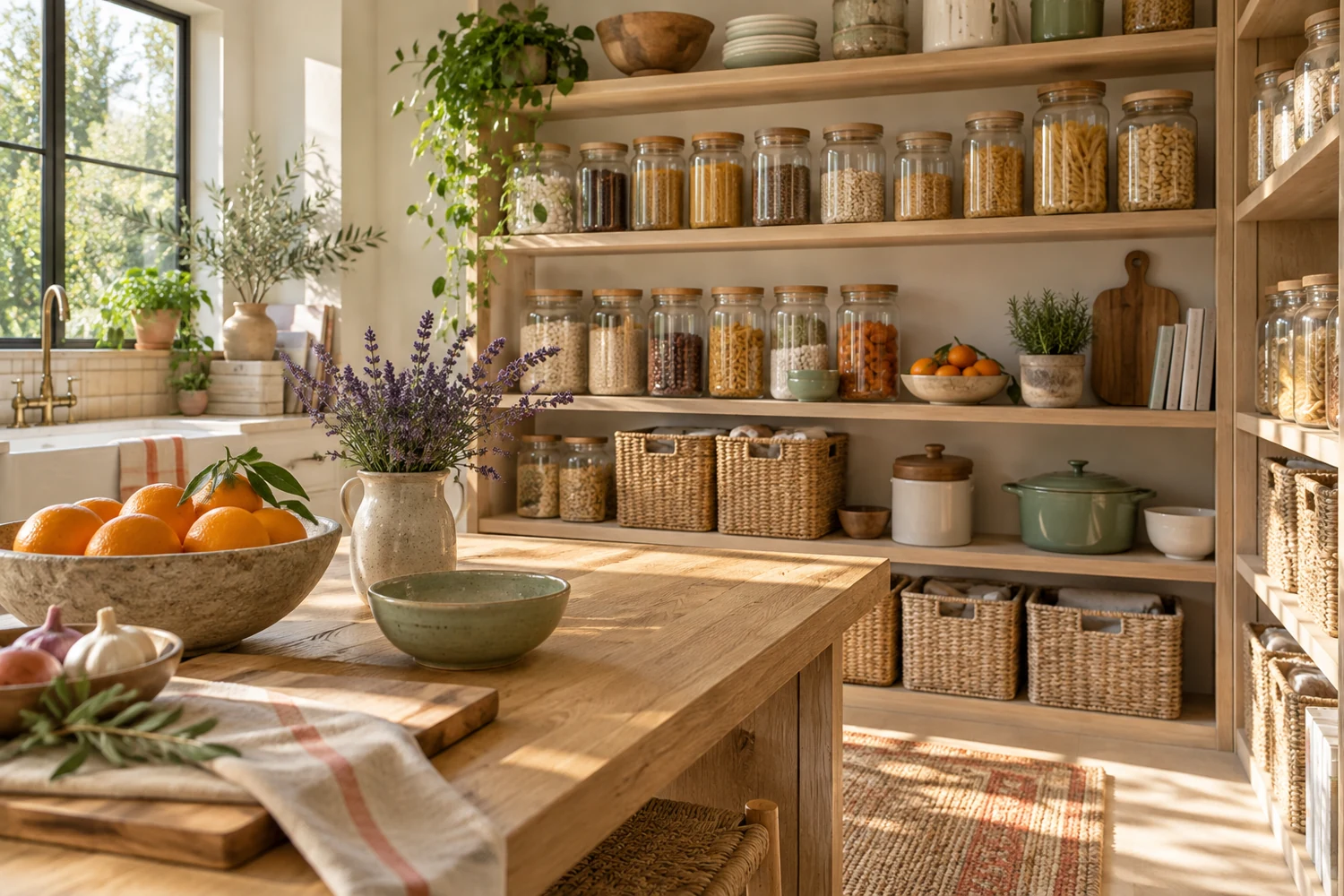
Jennifer and I kept buying things we already owned. They were at home somewhere. We just couldn’t remember where.
That got me thinking: what if everyone at home could check the same place?
My idea: one shared view of what you have, where it lives and what needs attention.
Rooms change. Boxes move. A useful object becomes invisible.
A shared home needs a shared place to look.
Checking what is already at home should be the easy first step.
I started with everyday household friction. Food-waste research gives that small problem a bigger context.
of the food waste measured across households, food service and retail occurred in households.
of household food waste per person, per year, as a global average.
The data year behind these estimates, published in UNEP’s Food Waste Index Report 2024.
These global estimates include edible and inedible waste. They describe the problem, not HabiTally’s results.
Source: UNEP / Food Waste Index 2024 ↗I’m designing for people sharing a home: partners, families and anyone juggling supplies across rooms.
Start with a shelf or the things you keep buying twice. You don’t need to catalogue your whole life.
I use these scenarios to guide the design. They aren’t customer testimonials.
“Can we both check the same place?”
Need: shared visibility, separate accounts and a clear invitation flow.“There’s another one in the garage.”
Need: room, shelf and bin locations that make sense in real life.“What do we actually need this week?”
Need: optional low-stock thresholds, date alerts and a useful shopping list.I built the experience around three questions: what is it, where is it and do we need more?
Try it with sample items. This demo isn’t connected to your household.
 HabiTallyH O M EJ
I kept the basics simple: name, category and quantity. Add a photo or location when it helps.
I used the way we talk about home: floor, room, shelf and bin.
I connected separate accounts through household invitations. Refresh to see shared changes.
I kept label reading on-device and suggestions yours to review. Household photos aren’t sent to generative AI providers.
I brought a home, an open box and a human touch into the symbol. The name keeps it grounded in everyday life.
I chose violet as the anchor, with teal, coral and soft surfaces to keep things warm and approachable.
A little space. A lot of possibility.Tuckivio → AllAqui Space → HabiTally Home
The existing product address remains in use, preserving access to accounts and inventory.I explored two routes: more breathing room in your day, and a clear picture of what’s already at home.
I made six campaign concepts around familiar household moments, each with one clear next step.
These are early concepts with AI-generated scenes, not customer photos. I haven’t run a measured paid campaign.
Reframe organization as time for living.
Make multi-location stock understandable.
Give everyone a place to check.
Introduce activity trends without claiming results.
Turn a familiar mistake into a useful prompt.
Connect the product across everyday routines.
Next, I’d test the emotional message against a practical benefit and follow what happens beyond the click.
I want to see how it fits real homes: add something useful, find it later and keep it up to date together.
I’m focused on first-item setup, finding things and shared use. I don’t have verified performance results yet.
Can someone complete the journey without help?
Can they locate the item when they need it?
Does the inventory stay useful to both people?
A little space. A lot of possibility.